
Plots in Avila - buy, sell or rent easily

Find plots by category in Avila (Province)


Plots for sale with most wanted features
- Urban 25
- Developable 13
- Non developable 29


Latest publications of land and houses for sale in Avila (Province)
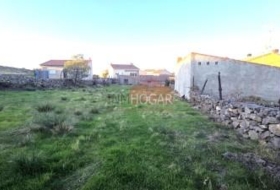
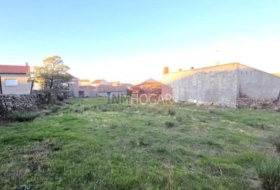
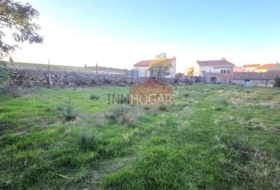
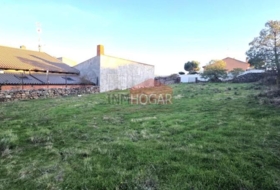
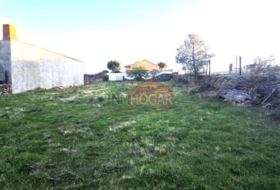
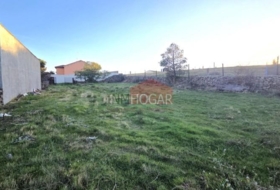

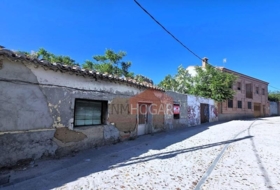
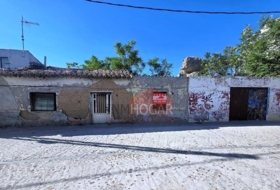
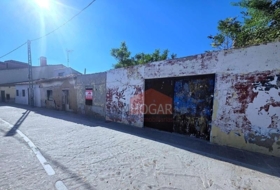
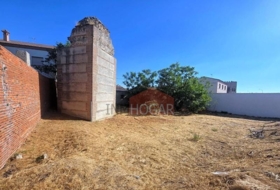
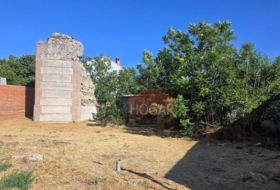
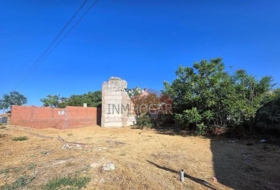
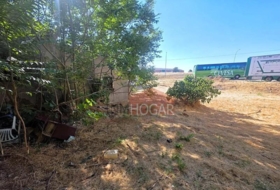
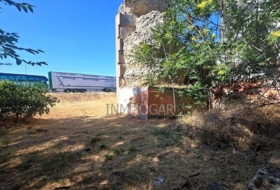

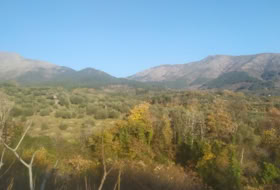
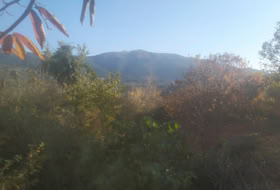


 +11
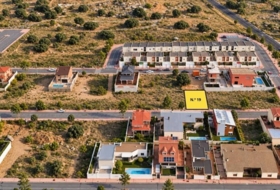
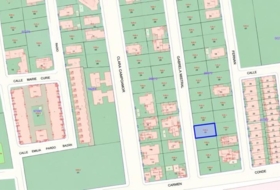
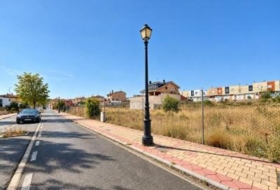
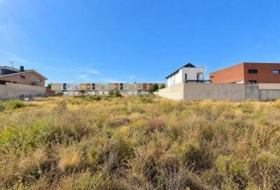
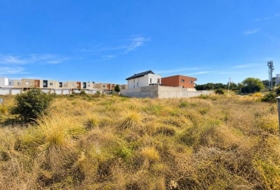
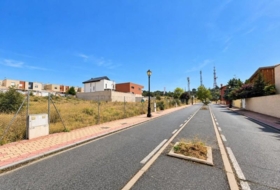
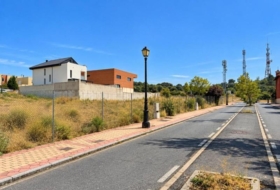


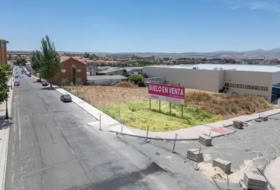
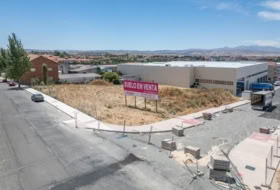
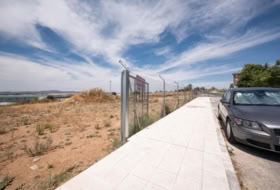
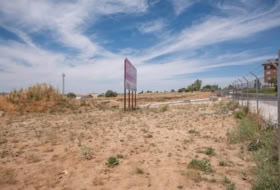

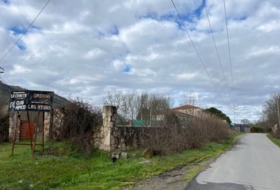
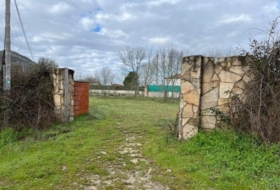
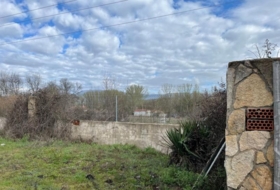
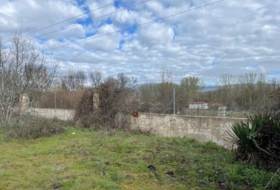


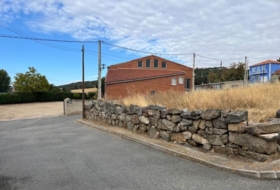
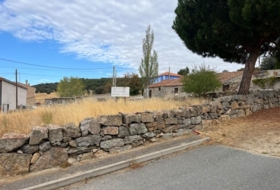
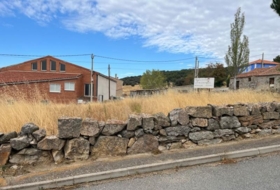
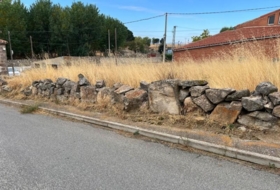
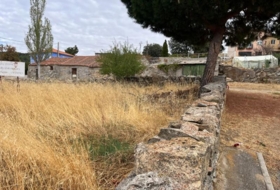
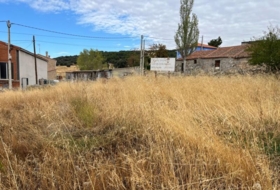

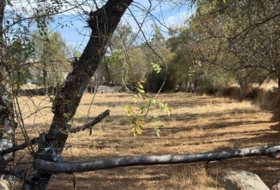
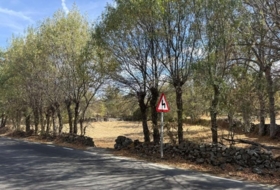
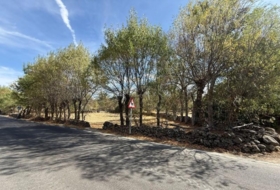
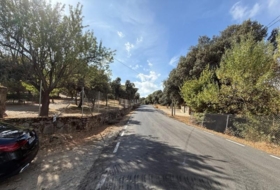
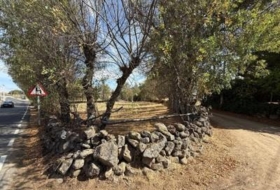
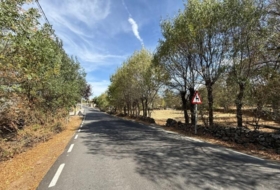
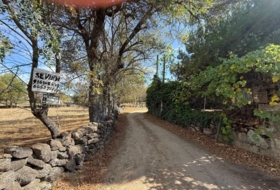
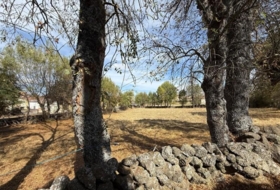
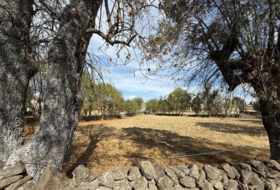
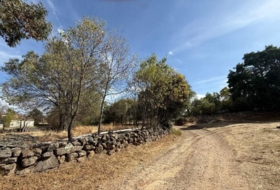
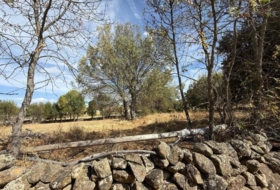
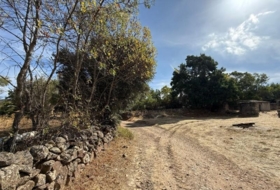
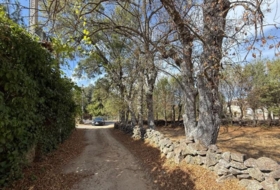
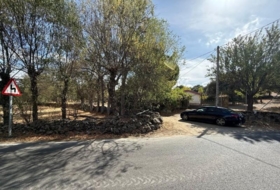
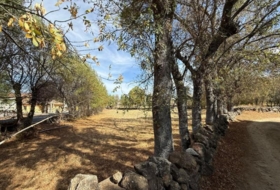

Where to buy land in Ávila
The cheapest land in the province of Ávila is spread across different municipalities, due to the large amount of rustic land available for sale. These include Pascualcobo, Higuera de las Dueñas, La Adrada, Burgohondo and El Bohodón.
The most expensive land, on the other hand, is in the city of Ávila, Candeleda, Fuente de la Salud, Narrillos de San Leonardo, Tornadizos de Arévalo and Vicolozano. Overall, the province has some of the lowest urban land values in Spain. Building plots are in a similar situation, since they are concentrated in the same towns as the urban land.
A diverse and sustainable forest area
On average, it is the highest province in Spain (mean altitude of 1,131 m). Its varied terrain shapes the climate, which is mainly mountainous, with abundant rainfall, cold winters and short summers. Further south it becomes warmer and drier.
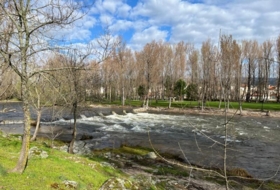
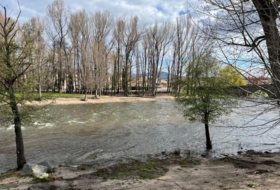
Among its different areas is the northern plain along the Adaja River, with pine forests and riverside woodland along the riverbanks. In the centre and south, on the foothills of the mountain ranges and around the capital, holm oak woodland predominates. The mildest area features Mediterranean forest of conifers and broadleaf trees, as well as vineyards, olive groves, orange, fig and cherry orchards, and tobacco, paprika pepper and watermelon plantations. It has the greatest biodiversity, but is threatened by mining, infrastructure, fires and property speculation.
The forest area of the province covers 64% of its territory, with more than 500,000 hectares. The regional government and the town councils, the largest owners of this land, are working to improve the environment through reforestation with native species, mainly to reverse depopulation and make the most of this valuable natural resource. Most of these forests hold PEFC Sustainable Forest Management certification, which guarantees that they are managed according to sustainability criteria.
A province of organic and high-tech farming
Ávila, part of Castilla y León, is one of the most sparsely populated provinces in the country, with just over 158,000 inhabitants and an area of 8,051.15 km². Its residents enjoy a high life expectancy thanks to the quality of its ecosystems. It is also very stable and safe. Its economy is based mainly on services and agriculture, with high potential in agribusiness, which is being promoted to create an attractive industrial base in the region.
The agricultural sector is very strong in the province: around 40% of industrial employment comes from this activity.
Cropland covers around 25% of the territory, while meadows, pastures and woodland are the most widespread land uses.
The province also has organic farmland and organic livestock farms (cattle, pigs and beekeeping).
Most of the farmland is pasture, meadow and fodder, along with cereals, legumes, vines, fruit trees, olive groves, vegetables and tubers. Most of these crops go to the agri-food industry, yielding top-quality, environmentally friendly products.
In addition, technology programmes are being developed to improve the yield of dry-farmed cereals, among the most important crops in the province, especially barley and wheat, using a satellite system that optimises the amount of water and fertiliser the plants need. Other crops include sugar beet and potatoes.
Livestock farming is led by cattle, including the native Avileña-Negra Ibérica breed; pigs, sheep and goats are also raised.
As for the price of land, it is among the cheapest in Castilla y León. Vineyards are the most valuable, followed by irrigated land (arable and natural meadow) and dry land (arable and natural meadow). In recent years land values have generally risen, especially for vineyards and irrigated land, while natural meadows and pastures have held their value.
Striving for a dynamic industry
Its industrial base is quite weak and largely built on the agro-industrial sector. The authorities are working to strengthen it in order to create quality jobs.
In its favour, it has a wide supply of industrial land, both developed and under development, at very competitive prices, located in industrial estates and technology parks, some of them in the provincial capital, which is betting on innovation and technology.
The province's economy has shifted from being almost entirely agricultural to being service-based, without building a strong business base that could make the region self-sufficient. On the other hand, thanks to its food products, its residents' low stress levels and the quality of its environment, the population enjoys a high life expectancy. The agri-food sector offers a great opportunity for growth through new technologies and organic farming, creating a symbiosis between innovation and nature. Its land is also a good investment opportunity in rural, urban and industrial areas alike.


